
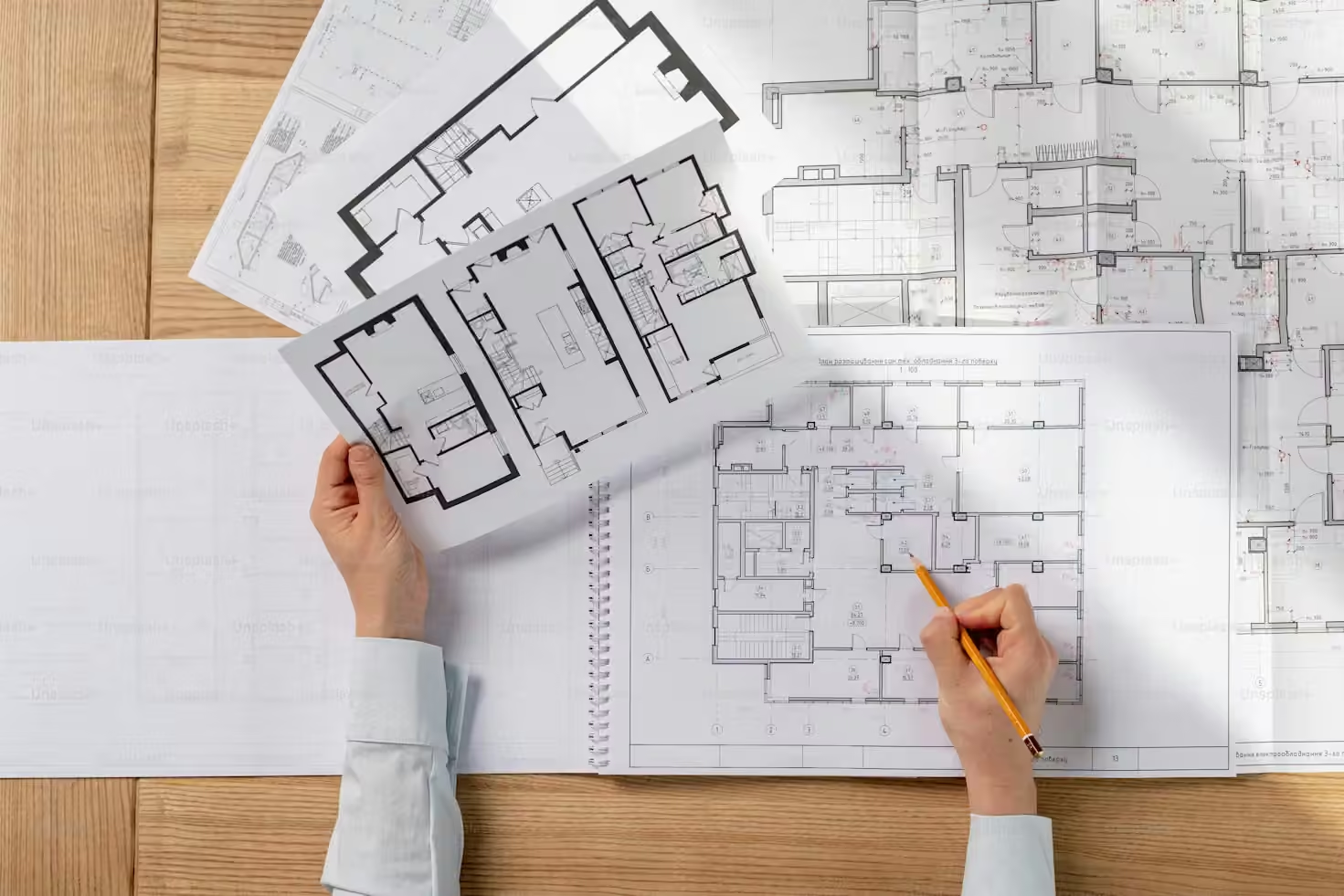
Winning profitable electrical projects requires more than technical skills. It requires accurate cost planning. Electrical estimating helps contractors understand the complete project scope, calculate material requirements, estimate labor costs, and prepare competitive bids with confidence.
From wiring systems and lighting fixtures to conduits, panels, and specialized equipment, every detail affects the final project cost. Even a small estimating mistake can lead to budget overruns, delays, and reduced profits. A precise electrical estimate gives contractors better control over expenses, improves decision-making, and helps deliver projects successfully.
What Is Electrical Estimating?
Electrical estimating services are the process of calculating the complete cost of an electrical construction project. It involves reviewing project plans, identifying electrical requirements, measuring quantities, and determining material and labor costs.
A detailed electrical estimate covers everything needed for project completion, including wiring, conduits, fixtures, panels, switches, equipment, and installation costs. The main goal is to provide contractors with a realistic project budget before work begins.
Why Accurate Electrical Estimating Matters
A reliable electrical estimate can make a major difference in project success. It helps contractors control expenses, reduce risks, and improve overall project planning.
Helps Create Winning Bids
Contractors need accurate numbers to submit competitive bids. A bid that is too high may lose the project, while an underestimated bid can reduce profit margins. Precise electrical estimating helps contractors find the right balance between competitive pricing and profitability.
Controls Project Costs
Unexpected expenses can quickly affect project margins. Detailed estimates identify material quantities, labor requirements, and potential challenges before construction starts.
Improves Resource Planning
Electrical estimates help contractors plan labor requirements, schedule material deliveries, and organize project activities. Better planning creates smoother workflows and reduces delays during construction.
Reduces Material Waste
Accurate estimating ensures contractors order the correct amount of electrical materials. Proper calculations reduce excess purchasing, minimize waste, and improve overall project efficiency.
Prevents Costly Mistakes
Small estimating errors, such as missing components or incorrect measurements, can lead to expensive changes during construction. A detailed estimate helps identify potential issues early.
Improves Client Confidence
A clear and professional estimate shows clients that the project has been carefully planned. Transparent cost breakdowns build trust and make contractors appear more reliable.
Increases Profit Margins
Accurate estimates help contractors understand true project costs and avoid underbidding. By knowing material, labor, and equipment expenses in advance, contractors can protect their profits and make smarter business decisions.
Essential Elements That Shape an Accurate Electrical Estimate
A detailed electrical estimate goes beyond basic calculations. It combines multiple cost factors that help contractors understand the complete financial scope of a project.
Electrical Material Takeoff
Material takeoff is one of the most critical parts of electrical estimating. Estimators carefully review project drawings to identify and calculate all required electrical materials, including wires, cables, conduits, fixtures, panels, outlets, and other components.
Labor Requirements and Installation Costs
Labor costs can significantly impact the overall project budget. Estimators analyze project complexity, installation requirements, crew size, and working hours to determine accurate labor expenses.
Equipment and Tool Expenses
Many electrical projects require specialized tools, testing equipment, lifts, and other resources. Including equipment costs in the estimate provides a clearer picture of the total project investment.
Electrical Fixtures and Devices
Fixtures and devices are important components of electrical systems. Estimates should include items such as lighting fixtures, switches, receptacles, sensors, and control systems.
Code Compliance and Project Specifications
Electrical work must follow local codes, safety standards, and project specifications. Estimators consider these requirements to ensure all necessary materials, installation methods, and safety measures are included.
Permits and Additional Project Costs
Depending on the project location and scope, electrical work may involve permits, inspections, and additional service costs.
Contingency and Potential Changes
Construction projects can experience unexpected changes due to site conditions or design updates. Adding a reasonable contingency allowance helps contractors manage risks.
Step-by-Step Method for Electrical Estimating
1. Review Project Drawings
The first step is carefully analyzing electrical plans, specifications, and project documents. Estimators identify the complete scope of work and understand system requirements.
2. Perform Electrical Takeoff
After reviewing drawings, estimators measure and calculate all required materials. This includes wiring, conduits, fixtures, and electrical equipment.
3. Apply Pricing and Labor Rates
Once quantities are calculated, estimators add current material prices, labor costs, and equipment expenses to create the final estimate.
4. Review the Final Estimate
Before submitting a bid, the estimate is checked for missing items, calculation errors, and pricing accuracy.
Common Electrical Estimating Challenges
Electrical estimating requires attention to detail because small mistakes can create major problems.
- Incorrect Drawing Interpretation — Electrical plans contain technical symbols and detailed information. Misreading drawings can result in missing materials or inaccurate calculations.
- Ignoring Small Components — Small items like connectors, fittings, and accessories are easy to overlook but can affect the final project cost.
- Using Outdated Prices — Electrical material prices change regularly. Using old pricing information can lead to inaccurate estimates.
- Underestimating Labor Requirements — Failing to calculate installation time properly can increase project expenses.
Tools That Improve Electrical Estimating Accuracy
Modern estimating software helps contractors prepare faster and more accurate electrical estimates. Popular tools include PlanSwift, Bluebeam Revu, Accubid, McCormick Systems, and Trimble Estimating. Using technology reduces manual errors and helps contractors create professional bid reports.
How Professional Electrical Estimating Services Help Contractors
Managing electrical estimates in-house can take significant time and resources. Professional estimating services provide contractors with detailed calculations and reliable cost information. Outsourcing electrical estimating allows contractors to focus on construction work while improving bidding accuracy.
Experienced estimators help with:
- Accurate material takeoffs
- Labor cost calculations
- Detailed estimate reports
- Bid preparation
- Updated pricing information
How Accurate Electrical Estimates Help Win More Projects
In competitive construction markets, accurate estimates give contractors a strong advantage. With precise electrical estimating, contractors can:
- Submit competitive bids
- Protect profit margins
- Reduce costly mistakes
- Improve project planning
- Complete work more efficiently
Conclusion
Electrical estimating is the foundation of accurate project planning and competitive bidding. A precise electrical estimate gives contractors better control over expenses, improves decision-making, and helps deliver projects successfully.
Need professional electrical estimating services? Apex Electric Estimating Inc provides precise electrical estimating services using detailed takeoffs, current pricing, and advanced tools to help you reduce risks, control costs, and complete projects with confidence. Email your plans to [email protected] or call +1 (862) 366-7732.