
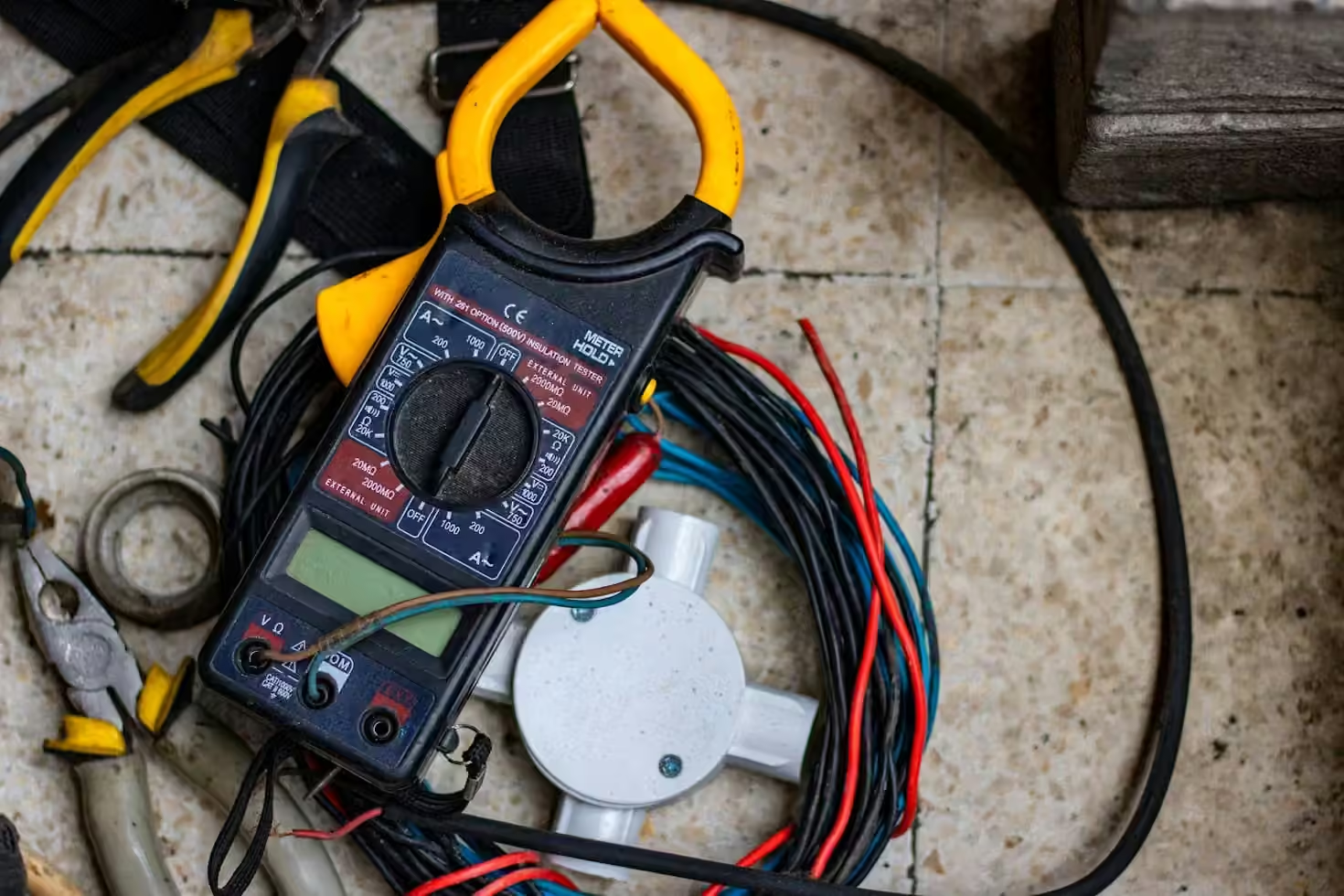
Low-voltage electrical estimating is one of the fastest-growing segments of the electrical construction industry. As buildings become smarter and more connected, the demand for structured cabling, security systems, access control, fire alarm, and audio-visual infrastructure continues to rise.
Estimating low-voltage work requires a different skill set than estimating power and lighting. Low-voltage systems involve specialized materials, unique labor requirements, and coordination with multiple subcontractors and technology consultants. This guide explains how to approach low-voltage electrical estimating systematically and avoid the common mistakes that lead to cost overruns.
What Is Included in Low-Voltage Electrical Estimating
Low-voltage electrical estimating covers any system that operates below 600 volts and uses low-power signaling or communication. The scope varies by project type and owner requirements, but common low-voltage systems include:
- Structured cabling for data, voice, and video
- Security and surveillance systems
- Access control and intercom systems
- Fire alarm and monitoring systems
- Audio-visual and presentation systems
- Building automation and control systems
- Nurse call and healthcare communication systems
- Public address and mass notification systems
Each system has its own standards, equipment requirements, and installation methods. The low-voltage estimator must understand these differences and price each system appropriately.
Structured Cabling Estimating
Structured cabling is the foundation of modern low-voltage infrastructure. It includes the cable, connectors, patch panels, faceplates, and pathways that support data, voice, and video throughout the building.
Cable Types and Quantities
Structured cabling uses Category 5e, Category 6, Category 6A, and fiber optic cable. The estimator must count the number of cable runs, the length of each run, and the type of cable required for the application. Category 6A and fiber optic cable are more expensive than Category 5e and require more careful handling during installation.
Pathways and Support
Cable pathways include overhead cable trays, underfloor duct systems, and perimeter conduit. The estimator must measure the length of tray, the number of bends, and the labor required to install supports and fittings. In raised-floor data centers, the estimator must account for floor penetrations, ductwork, and coordination with the mechanical and electrical systems.
Labor and Testing
Structured cabling labor includes pulling cable, terminating connectors, labeling, and testing. Testing is a critical step that requires certification tools and trained technicians. The estimator must include time for testing, troubleshooting, and certifying each cable run to the required standard.
Security and Surveillance Estimating
Security systems include cameras, video management systems, network video recorders, and cabling infrastructure. The estimator must count cameras, determine mounting heights and locations, price the network infrastructure, and include the labor to install and commission the system.
Camera Types and Placement
Camera estimating starts with the security plan or camera layout drawing. The estimator counts cameras by type: fixed, PTZ, fisheye, and thermal. Each camera type has a different material cost and installation time. Mounting height, weatherproofing requirements, and backbox locations affect labor hours.
Network Infrastructure
IP security cameras require network connectivity: switches, PoE injectors or midspans, and cable pathways. The estimator must coordinate with the data cabling estimator to ensure that cable counts and pathway capacities are consistent and that the network infrastructure is sized for the camera load.
Video Management and Storage
The video management system includes recording servers, storage arrays, and client workstations. These items are often provided by the security subcontractor, but the electrical estimator must include the power and data connections required for the system.
Access Control and Intercom Systems
Access control systems control entry to buildings and rooms using card readers, electrified locks, and control panels. The estimator must count readers, doors, and control panels, and price the power supplies, wiring, and programming required for the system.
Electrified Hardware
Electrified hardware includes electric strikes, magnetic locks, and electrified levers. Each type has different power requirements, installation methods, and fire-rated coordination requirements. The estimator must verify the hardware type on the hardware schedule and include the labor to install and wire each device.
Power Supplies and Wiring
Access control systems require low-voltage power supplies, typically 12 or 24 volts DC. The estimator must calculate the total load, size the power supplies, and determine the wiring method from the power supply to each device. conduit and cable sizing follow low-voltage standards, but the estimator must coordinate with the fire alarm and security systems to share pathways where possible.
Intercom and Video Entry
Intercom and video entry systems include call stations, door stations, and master panels. The estimator must include the cabling between stations, the power requirements, and the labor to install and program the system. Video entry systems also require monitors and network connectivity.
Fire Alarm and Monitoring Estimating
Fire alarm systems are life safety systems that are regulated by the local authority having jurisdiction. The estimator must understand the code requirements, the system components, and the inspection and testing process.
Devices and Circuiting
Fire alarm estimating includes smoke detectors, heat detectors, pull stations, audible and visual notification appliances, and control panels. The estimator must count each device, determine the circuiting method, and price the labor to install and connect each device.
Addressable vs. Conventional
Addressable fire alarm systems use intelligent detectors and modules that report their status to the control panel. Conventional systems use zones of devices. Addressable systems cost more but provide more detail and flexibility. The estimator must determine which system type is specified and price accordingly.
Inspection and Certification
Fire alarm systems require inspection and certification by a licensed technician. The estimator must include time for testing, adjusting, and certifying the system, as well as any required documentation and permits.
Audio-Visual and Presentation Systems
Audio-visual systems include projectors, screens, speakers, microphones, and control systems. The estimator must count equipment, determine mounting locations, and price the cabling and power required for each component.
Display and Projection
Display estimating includes projectors, projection screens, and video walls. The estimator must determine the throw distance, screen size, and mounting method, and price the labor to install and align the equipment.
Sound and Microphones
Sound system estimating includes speakers, amplifiers, mixing consoles, and microphones. The estimator must calculate speaker coverage, determine amplifier power, and price the cabling and control wiring for the system.
Control and Integration
Audio-visual control systems use touch panels, programming, and integration with other building systems. The estimator must include the cost of control wiring, control processors, and programming labor.
Coordination with Other Trades
Low-voltage systems do not exist in isolation. They share pathways with electrical, mechanical, and plumbing systems, and they must be coordinated to avoid conflicts and delays.
Pathway Sharing
Low-voltage cable can often share conduit and cable tray with electrical power cable, but there are restrictions. The National Electrical Code requires separation between power and low-voltage cable in certain conditions. The estimator must review the electrical drawings and determine where pathways can be shared and where separate pathways are required.
Mounting Heights and Locations
Low-voltage devices must be mounted at locations that do not conflict with power devices, mechanical equipment, or architectural features. The estimator must review the architectural and mechanical drawings to identify conflicts and include the labor required to work around them.
Commissioning and Testing
Low-voltage systems require commissioning and testing before the owner accepts the project. The estimator must include time for system startup, testing, and owner training. Testing requirements vary by system type and may include cable certification, device programming, and system integration testing.
Common Pitfalls in Low-Voltage Estimating
Low-voltage electrical estimating has several common pitfalls that can erode margins if they are not addressed during the bid.
Underestimating Cable Lengths
Cable lengths are often underestimated because estimators measure from point to point without accounting for routing around obstacles, slack, and service loops. A 10% to 20% contingency for cable length is standard practice, but estimators who measure precisely from the drawings without adding slack may find themselves short on bid day.
Missing Pathway Costs
Pathways — cable tray, conduit, and underfloor duct — are easy to overlook because they are often shown on architectural or structural drawings rather than the low-voltage drawings. The estimator must review all relevant drawings to identify pathway requirements and include them in the estimate.
Forgetting Power and Grounding
Low-voltage systems require power for active equipment: cameras, switches, controllers, and displays. The estimator must include the power and grounding connections for each active device, even when the device is provided by a subcontractor.
Overlooking Permits and Fees
Some low-voltage systems require permits, inspections, or engineering certifications. The estimator must research local requirements and include permit fees and inspection time in the estimate.
What You Should Expect from a Professional Estimate
A professional low-voltage electrical estimate includes the detail and documentation that contractors need to bid confidently and manage the project effectively.
A complete low-voltage estimate should include:
- Itemized cable counts and pathway measurements by system
- Material pricing with vendor quotes for major equipment
- Labor hours by system, device type, and installation method
- Power and grounding requirements for active equipment
- Allowances for owner selections and unspecified items
- Basis of estimate documenting assumptions, exclusions, and coordination requirements
- Recommendations for pathway sharing and conflict resolution
Final Thoughts
Low-voltage electrical estimating is a specialized discipline that requires knowledge of technology systems, installation methods, and coordination requirements. As buildings become more connected, the importance of accurate low-voltage estimating continues to grow.
At Apex Electric Estimating Inc, we provide low-voltage electrical estimating services for data cabling, security, access control, fire alarm, and audio-visual systems. Our estimates include detailed cable counts, pathway measurements, labor quantification, and a written basis of estimate documenting all assumptions and exclusions.
Contact us to discuss your low-voltage project and receive a quote within 15 to 30 minutes.