
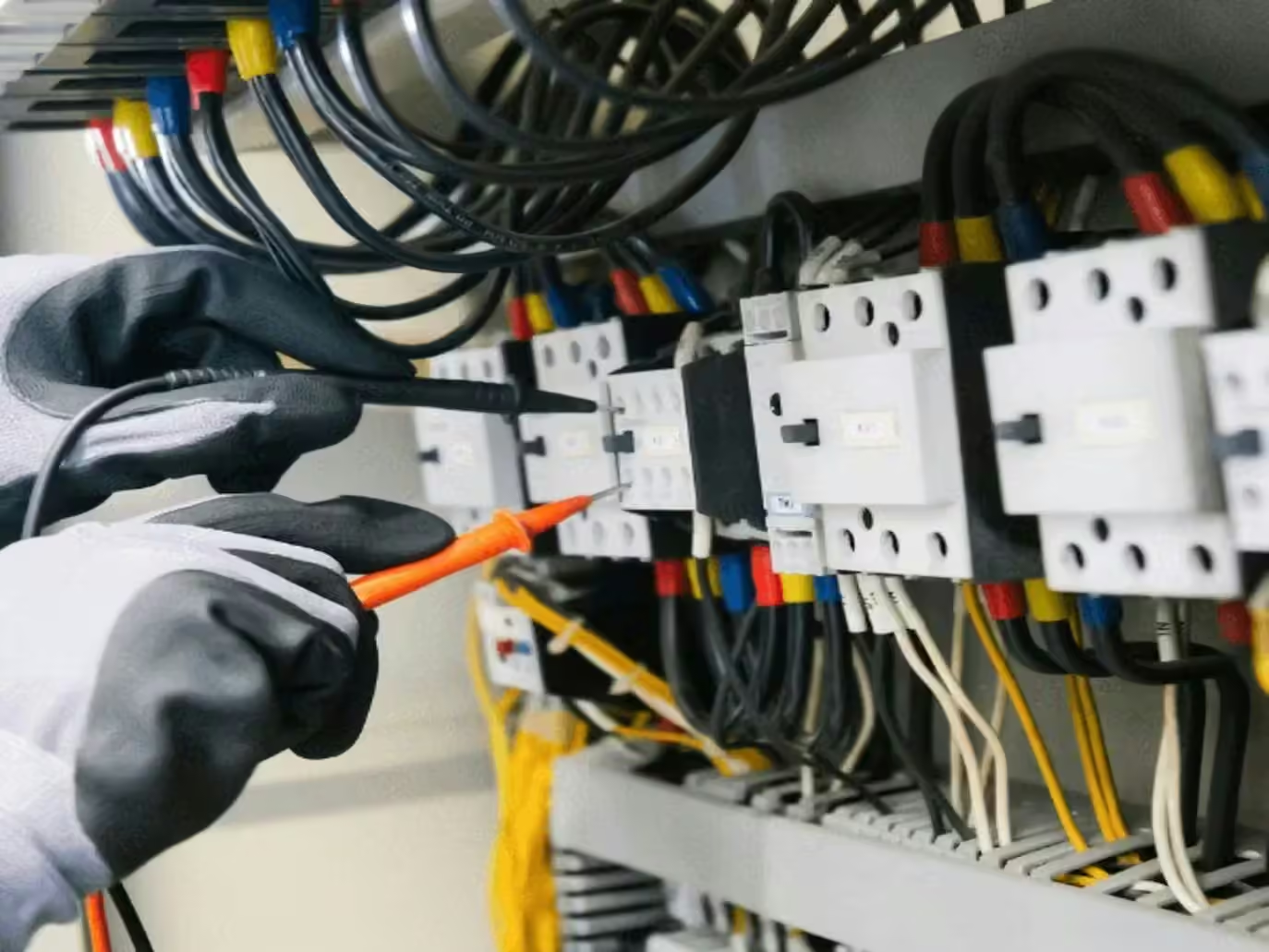
Phantom power — also called standby power, vampire power, or ghost load — is the electricity that flows through devices even when they appear to be turned off. It is the reason your TV, microwave, and router draw current from the outlet even when you are not actively using them. Understanding phantom power helps you make informed decisions about energy use, appliance longevity, and home electrical design.
This article explains what phantom power is, which devices use it, how much it costs, and what you can do about it.
What Is Phantom Power?
Phantom power is the energy consumed by electronic devices while they are plugged in but not in active use. Most modern appliances contain internal electronics — clocks, displays, remote receivers, and power supplies — that remain energized even when the device is switched off. These components draw small amounts of power continuously, twenty-four hours a day.
The phenomenon is not unique to any one type of device. It affects everything from televisions and cable boxes to coffee makers and chargers. The common thread is that any device with a remote control, a digital display, or an internal power supply will draw some current when plugged in, regardless of whether it is turned on or off.
Phantom power is not a new phenomenon. It has existed since the first transistorized electronics entered homes in the 1960s and 1970s. What has changed is the volume of devices that draw standby power. The average home today has dozens of devices that never fully power down, from smart speakers and thermostats to gaming consoles and streaming devices.
Common Sources of Phantom Power
Many household and commercial devices contribute to standby power loads. The biggest offenders include:
- Televisions and home theater systems — modern TVs use processors, Wi-Fi adapters, and network connections that remain active in standby mode.
- Cable and satellite boxes — these devices are designed to record and update programming even when the screen is off.
- Computers, monitors, and printers — computers in sleep mode still power RAM, network cards, and USB ports. Printers in standby mode keep print heads warm and network connections active.
- Kitchen appliances — microwave ovens, coffee makers, and toasters with digital clocks and displays draw power continuously.
- Chargers and power adapters — phone chargers, laptop adapters, and tablet docks draw current even when no device is connected.
- Networking equipment — modems, routers, and Wi-Fi extenders are designed to run continuously and are among the largest contributors to standby power.
- Gaming consoles — modern consoles update software, download games, and remain connected to networks even when not in use.
Smaller devices contribute as well: electric toothbrushes, electric shavers, smart speakers, and thermostats all draw standby power through their charging bases or internal electronics.
How Much Does Phantom Power Cost?
The average device draws between 3 and 5 watts of power in standby mode. For a single device, that translates to roughly 26 to 44 kilowatt-hours per year, or about $3 to $6 at average electricity rates. That seems manageable for one device, but most homes have dozens of devices drawing phantom power simultaneously.
A typical household with thirty to fifty devices drawing standby power can consume 300 to 500 kilowatt-hours per year at a cost of $36 to $60. In commercial buildings with hundreds of devices, the cost can reach thousands of dollars annually.
Phantom power also has environmental implications. The energy wasted on standby loads contributes to unnecessary generation, transmission, and distribution of electricity, increasing carbon emissions and grid strain.
How to Measure Phantom Power in Your Home
Measuring phantom power is straightforward with the right tools. A plug-in watt meter, such as the Kill-A-Watt, measures the power draw of individual devices. The estimator or homeowner can plug each device into the meter, record the standby wattage, and calculate the annual cost.
For a whole-home measurement, a monitor like Sense or Neurio tracks total home energy use and can identify devices that draw power continuously. These tools are particularly valuable for identifying unexpected loads, such as malfunctioning appliances or always-on equipment that the homeowner forgot about.
Professional electrical estimators use similar measurement tools when auditing existing buildings for energy code compliance or load calculation updates. The data helps size circuits, panels, and backup power systems accurately.
Is Phantom Power Dangerous?
Phantom power operates at low voltage — typically 5 to 48 volts — and poses minimal direct risk to humans. At these voltages, the current is insufficient to cause lethal electric shock under normal conditions. However, there are indirect risks:
- Fire risk — Poorly designed or damaged power supplies can overheat, especially when devices are left plugged in continuously. Cheap chargers and counterfeit power adapters are the highest risk.
- Short circuits and sparks — Faulty wiring or damaged cords can cause short circuits that spark or ignite surrounding materials.
- Surge exposure — Devices left plugged in during electrical storms are exposed to surges that can damage internal electronics and, in rare cases, cause fires.
These risks are small compared to the total number of devices in use, but they are not zero. Using quality power supplies, avoiding damaged cords, and unplugging devices during severe weather reduces the risk.
Should You Worry About Phantom Power?
The honest answer is yes, but not excessively. Phantom power is not a crisis, but it is a waste. It adds to your electricity bill, increases your environmental footprint, and slightly increases the risk of electrical problems over time.
For most homeowners, the practical approach is to target the biggest contributors:
- Use power strips for entertainment centers and office setups. Turning off the power strip cuts power to all connected devices instantly.
- Unplug chargers when they are not actively charging a device. A charger left plugged in draws power even when no phone or laptop is connected.
- Replace old appliances with Energy Star-rated models that have lower standby power consumption.
- Enable auto-power-off features on computers, monitors, and printers. Most modern devices have settings that reduce or eliminate standby power when idle.
- Use smart plugs that can be programmed to turn off devices during certain hours or controlled remotely.
The Role of Electrical Design
Phantom power is also a consideration in electrical design. Professional electrical estimators and designers account for standby loads when calculating panel capacity and circuit loading. A building designed without considering phantom power may have circuits that are overloaded by continuous standby loads, leading to nuisance tripping and reduced system reliability.
When planning new construction or major renovations, discuss standby loads with your electrical estimator. Properly sized circuits and panels accommodate both active and standby loads without compromising safety or performance.
Code Considerations
The National Electrical Code does not specifically limit phantom power, but it does address continuous loads. NEC Article 210.19(A)(1) requires branch circuits to be sized for continuous loads — loads that run for three hours or more. Since many standby loads run continuously, they count toward the continuous load calculation.
Estimators who design electrical systems must include standby loads in their load calculations. Failing to do so can result in undersized conductors, overloaded panels, and nuisance tripping of breakers.
Final Thoughts
Phantom power is a small but persistent drain on your electricity and your wallet. The devices that draw standby power are not inherently dangerous, but the cumulative effect of dozens of devices running continuously adds up.
At Apex Electric Estimating Inc, we design electrical systems that account for both active and standby loads. Our estimates include proper circuit sizing, panel capacity, and load calculations that reflect modern usage patterns. Whether you are building a new home, renovating an existing space, or designing a commercial facility, we ensure your electrical system is safe, efficient, and sized for real-world usage.
Contact us to discuss your project and receive a quote within 15 to 30 minutes.